Dancing Queen
Firefly LaneABBA’s “Dancing Queen” is a recurring musical expression of Tully Hart and Kate Mularkey’s friendship, heard first in their youth and again after Kate’s death. The song’s return connects a shared moment of youthful recognition to Tully’s solitary act of remembrance, allowing a familiar piece of music to carry the past into the present without undoing their separation.
First Recognition
During an earlier gathering, the music changes and “Dancing Queen” blares through the speakers. Kate says that she loves the song. The scene establishes it as part of the friends’ shared musical world: the track is not introduced through explanation, but through Kate’s immediate response to hearing it. The lyric fragment associated with the song evokes youth, while the later recurrence gives that youthful association a new emotional weight.
A Return After Kate’s Death
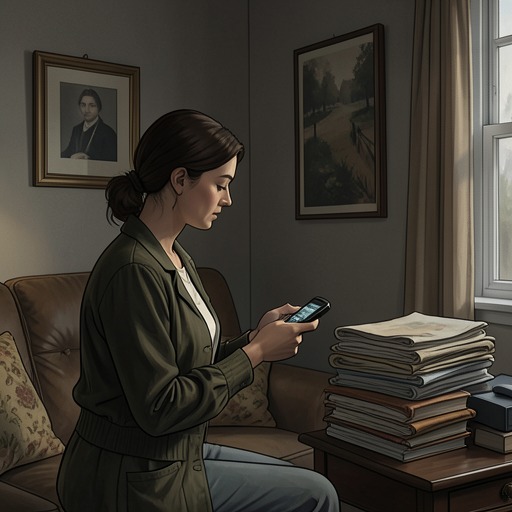
After Kate has died, Tully encounters an iPod among the things left for her. It is accompanied by an autographed picture of David Cassidy and headphones, with messages inviting her to listen and dance. Tully puts on the headphones and presses play. “Dancing Queen” begins, and the music sweeps her back in time. The song’s earlier place in the friends’ lives makes this more than an isolated act of listening: it restores a remembered connection at the moment Tully is confronting Kate’s absence.
Remembrance Made Physical
The scene ends with Tully standing alone in the middle of the street and beginning to dance. The movement gives the memory a present-tense form: instead of only recalling the past, she responds to it with her body. The contrast is stark but restrained—the music is associated with the two friends, while the dance is now Tully’s alone. The song does not remove grief or reunite them; it offers Tully a way to carry their shared history into a moment of farewell.
Narrative Significance
Because the song appears both in the friends’ earlier life and after Kate’s death, its recurrence compresses time. A familiar track links Kate’s expressed affection for it with Tully’s later act of listening, making music a durable carrier of shared memory. The closing dance turns that remembered connection into an image of continuing attachment: Tully is by herself, yet the song calls up the friendship that shaped the moment.